
Find the right mortgage for your Home



IF YOU HAVE ANY QUESTION ON YOUR MIND?
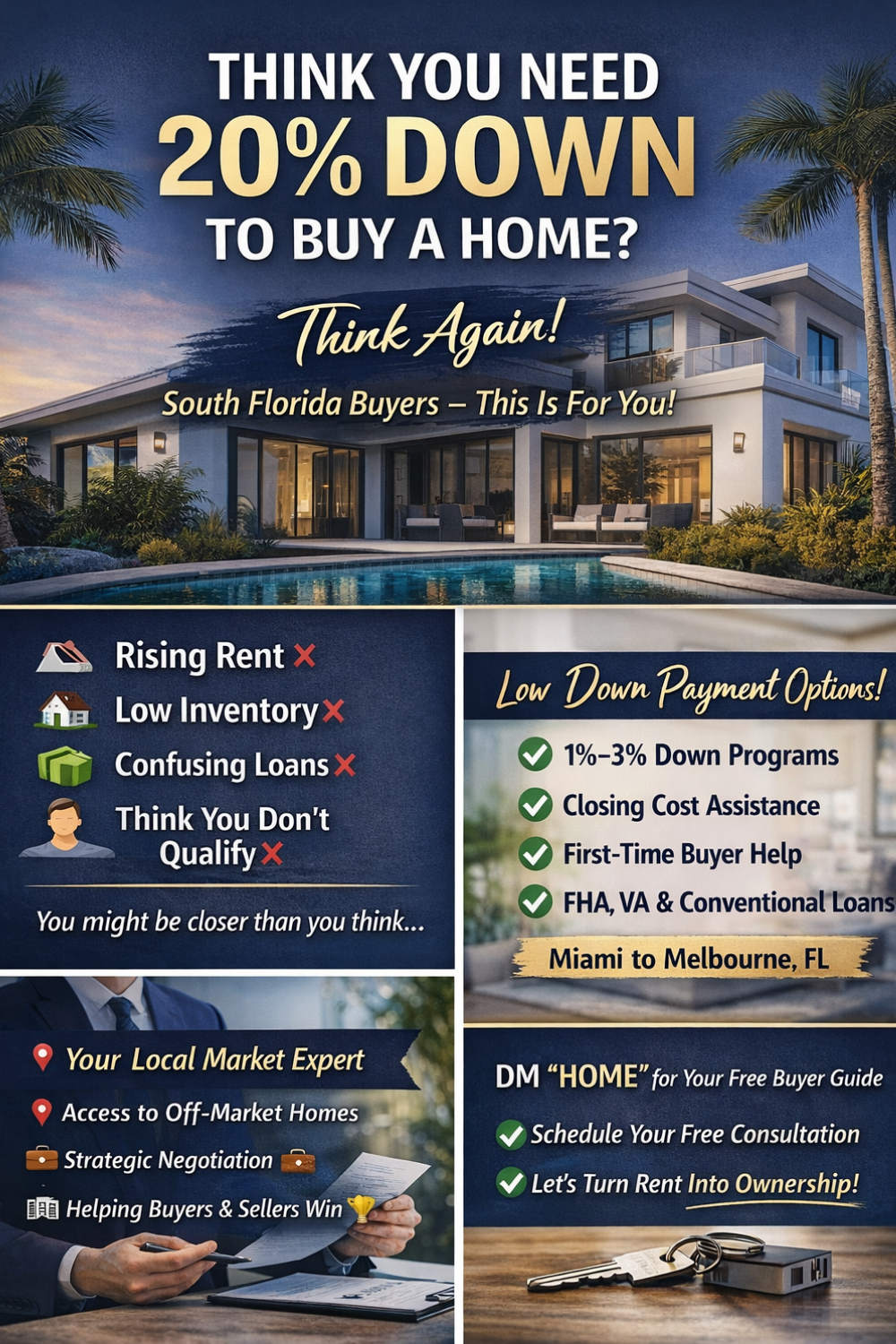

Learn more about home financing
30 - Year Fixed
Rate APR
6.490% 6.669%
Points (cost)
1.841 ($5,062.75)
3% min down payment
Lower payments due to longer term
30 - Year FHA
Rate APR
6.125% 6.821%
Points (cost)
1.749 ($4,809.75)
3.5% min down payment
Looser credit/debt requirements
30-Year VA
Rate APR
6.000% 6.269%
Points (cost)
1.591 ($4,375.25)
0% down payment
No private mortgage insurance
15-Year Fixed
Rate APR
5.875% 6.147%
Points (cost)
1.727 ($4,749.25)
5% min down payment
Pay less interest due to shorter term
From Application to Closing: The Mortgage Process
1. Pre-Approval (The Budget Check)Before shopping, you apply for pre-approval with a lender (bank, credit union, or mortgage broker). The lender checks your credit, income, and debt to determine how much they are willing to lend. This gives you a clear budget and shows sellers you are a serious buyer. Use the Bank of America Mortgage Guide to compare pre-approval options.
2. House Hunting & Offer With your pre-approval in hand, you work with a real estate agent to find a home and make an offer. Once the seller accepts your offer, you will sign a purchase agreement and typically put down "earnest money" to secure the deal.
3. Formal ApplicationOnce you have a signed purchase agreement, you move from pre-approval to a formal loan application. You will provide extensive financial documentation, including tax returns, W-2s, bank statements, and employment verification.
4. Processing & AppraisalA loan processor will review all your documents and prepare the file for the underwriter. During this time, the lender will also order a home appraisal to verify the property's value matches what you agreed to pay, and a title search to ensure the property has no legal claims or outstanding liens.
5. Underwriting (The Decision Phase)The underwriter makes the final decision to approve or deny your loan. They will meticulously evaluate your credit, capacity (debt-to-income ratio), and collateral (the home itself). They may grant conditional approval, meaning you need to provide a few more documents before the loan is fully cleared.
6. ClosingOnce approved, you receive a Closing Disclosure (CD) detailing your exact interest rate, monthly payment, and closing costs (usually 2% to 5% of the purchase price). You will wire your down payment and closing costs, sign the final loan paperwork, and receive the keys to your new home.
