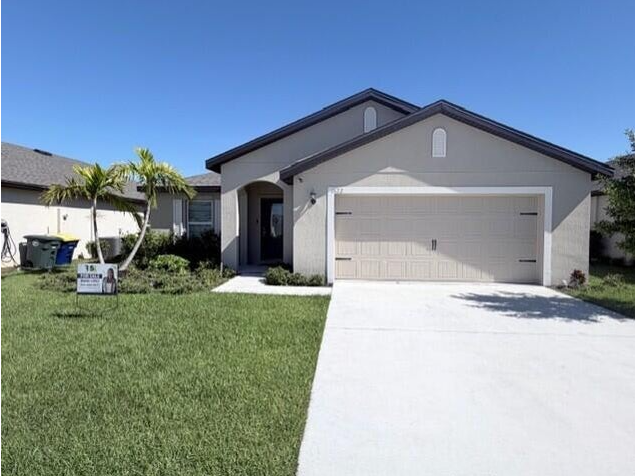
Find Your Perfect Home in Port St. Lucie & South Florida
From finding the right neighborhood to negotiating the right price,
PSL Keys helps you navigate every step of your home-buying journey.
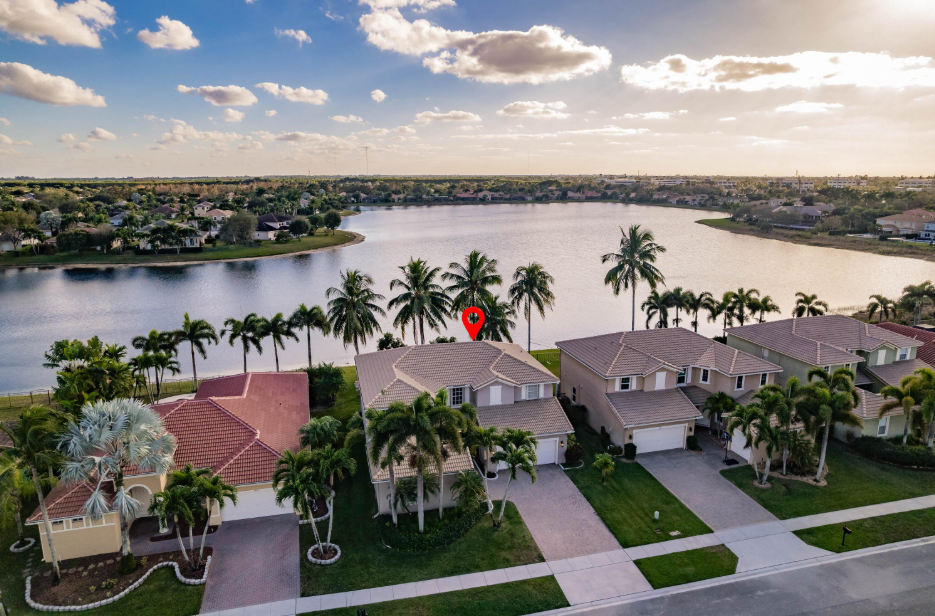
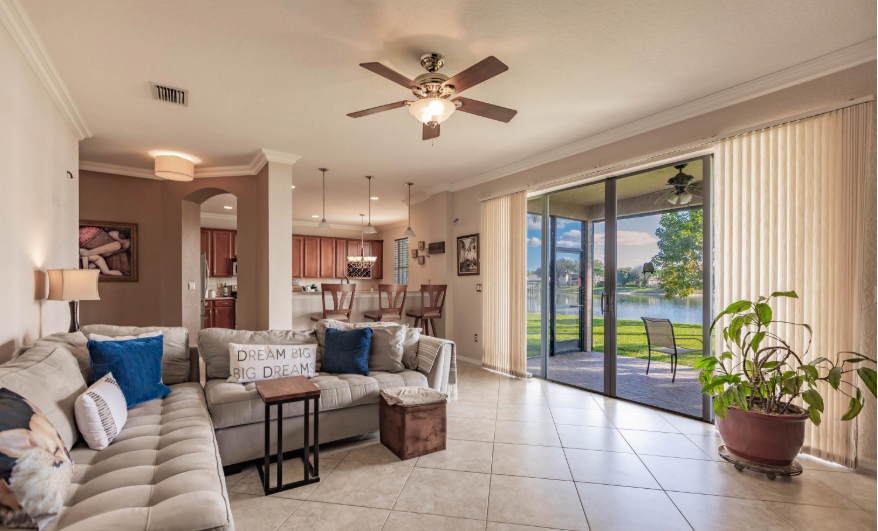
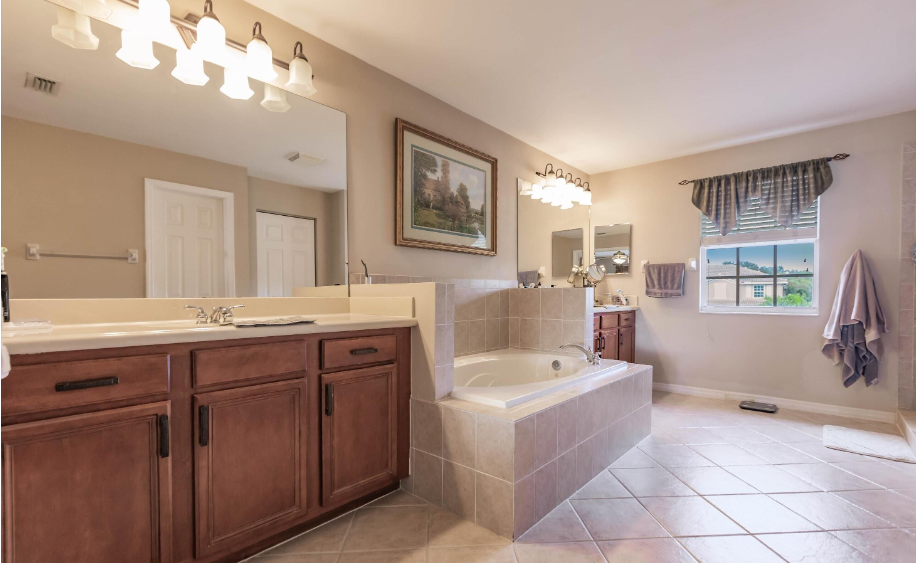
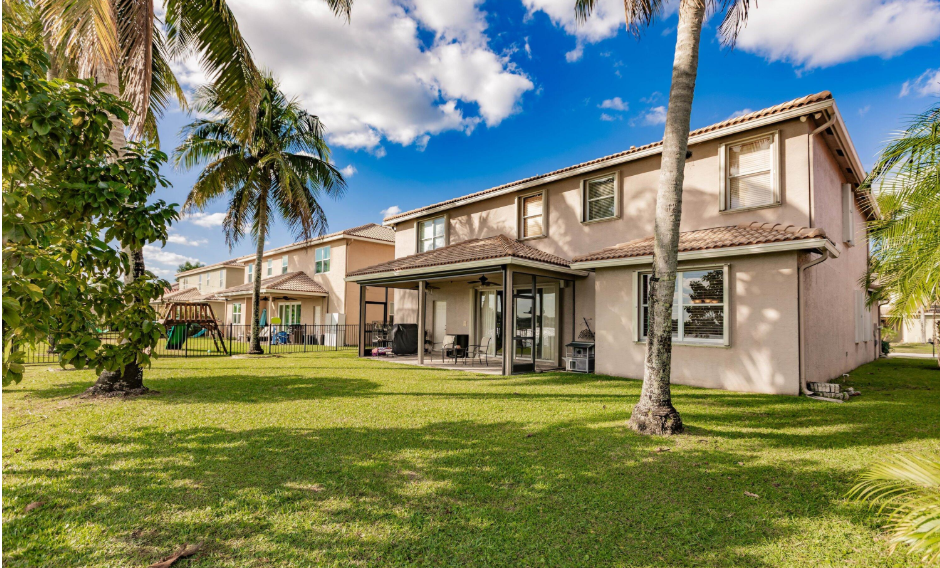
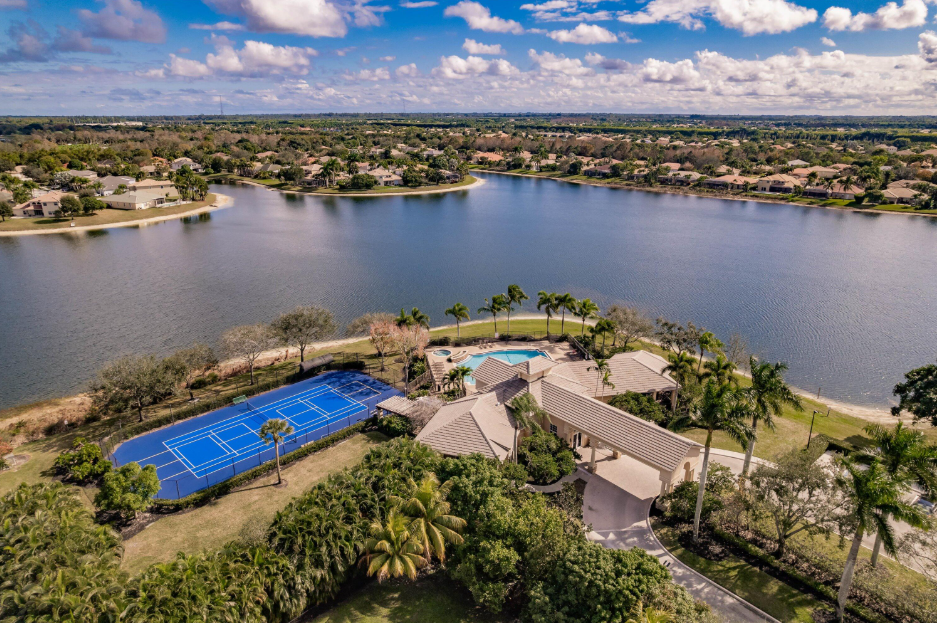
Home for sale in West Palm Beach
Quality Living Without Breaking the Bank,
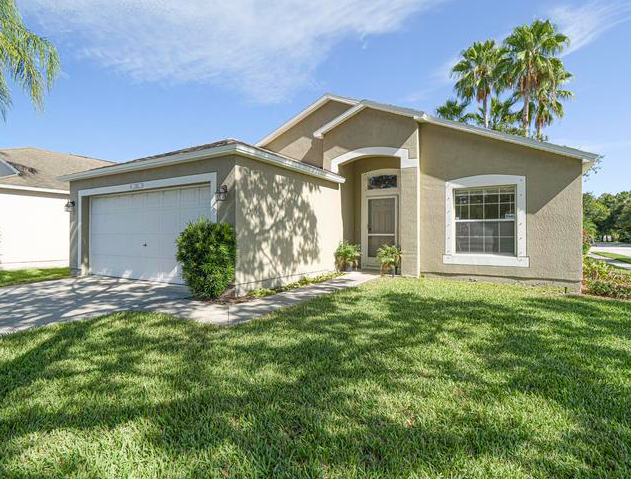
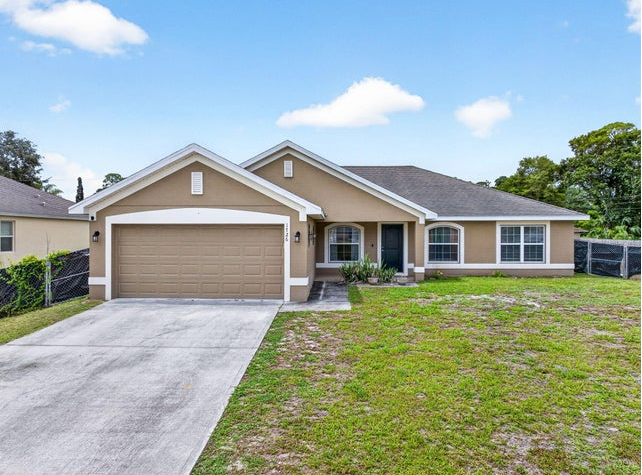
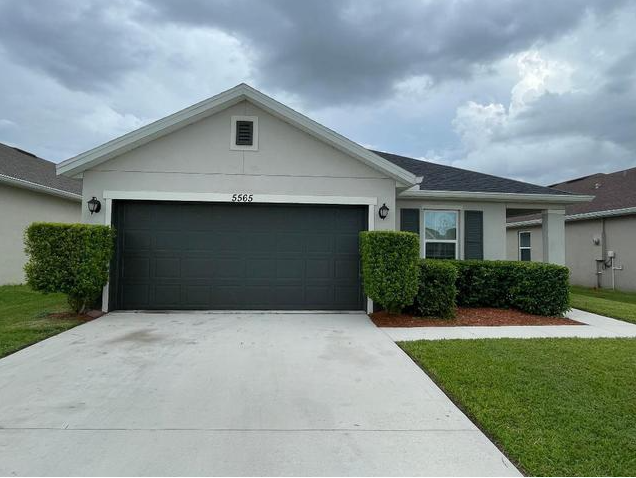
– Home Under $350K -
![]()
Single Family Home
3 Bed 2 Bath
$299000
![]()
Single Family Home
3 Bed 2 Bath
$329900
![]()
Single Family Home
3 Bed 2 Bath
$329000
![]()
Single Family Home
3 Bed 2 Bath
$320000

Why You Should Buy a Home in Port St. Lucie?
Buying a home is more than an investment—it’s an opportunity to enjoy the benefits of Port St. Lucie living while building long-term financial stability. Instead of paying rent to a landlord, your monthly mortgage payments can help build equity in a property you own. Homeownership may also offer potential tax benefits, more predictable housing costs, and the freedom to personalize your living space. Whether you’re a first-time buyer, relocating to Port St. Lucie, or searching for your dream home, purchasing real estate can be a smart way to invest in your future while enjoying the lifestyle and community that make Port St. Lucie living so appealing.

How We Help You Buy a Home as Your Trusted Real Estate Agent
Buying a home can be exciting, but the process can also feel overwhelming. As experienced real estate agents, we make it easier to buy a home by guiding you through every step—from finding the right property to negotiating the best price and completing the closing process. We provide personalized home searches, local market insights, expert guidance, and professional support to help you make confident decisions. Whether you’re a first-time buyer, relocating to Port St. Lucie, or searching for your dream property, our team is here to help you buy a home with confidence and make your real estate experience smooth, simple, and stress-free.
http://mahmudhaque.keyes.com
First time home buyer guide
Thing's You Should Do Before Buy a Home
DO check your credit score early
Your credit score affects your mortgage rate and approval. Make sure your credit report is accurate and fix any errors before applying.
DO get pre-approved before home shopping
A pre-approval shows sellers you are a serious buyer and helps you know your true budget.
DO set a realistic budget
Consider ALL your monthly costs: mortgage, insurance, taxes, HOA, utilities, maintenance, and emergencies.
DO work with a trusted real estate agent
A local expert can guide you through neighborhoods, negotiations, contracts, and closing details.
DO explore first-time homebuyer programs
There are many assistance options:
✔ Down-payment assistance
✔ Closing-cost help
✔ Lower interest rate programs
✔ FHA, VA, USDA loans
DO get a home inspection
A professional inspection protects you from hidden issues that could cost thousands later.
DO compare lenders
Get quotes from multiple banks and mortgage brokers to secure the best rate and terms.
DO plan for extra costs
Appraisals, inspections, title fees, moving costs, and insurance can add up. Budget ahead of time.
DO think long-term
Buy a home that fits your life for the next 5–7 years: family plans, work, school districts, and resale value.
Thing's You Should Not Do Before Buy the House
DON’T make big purchases before closing
Avoid buying cars, furniture, or opening new credit cards—your lender will recheck your credit before closing.
DON’T skip the inspection to “save money”
Skipping the inspection can lead to expensive surprises—always inspect!
DON’T assume the first lender is the best
Rates and closing fees vary; shopping around can save thousands.
DON’T max out your budget
Buy comfortably. Leave room for repairs, upgrades, and unexpected expenses.
DON’T change jobs during the loan process
Lenders need stable income. A job change could delay or deny approval.
DON’T ignore the neighborhood
Check traffic, schools, amenities, and future development plans. You’re not just buying a home—you’re buying the area.
DON’T forget about resale value
Even your “starter home” should be in a location or condition that will sell easily in the future.
DON’T rely on verbal agreements
Everything must be written into the contract—repairs, credits, upgrades, closing dates.